
After Retirement
Congratulations - You've reached retirement!
Or is it Congratulations? Not everyone feels the same when we retire. For some they step into the new routine of life while others miss the old life and take time to transition. When my husband retired (3 years before me) he loved it. Out in the garden when the weather was good or taking a book to the coffee shop when it wasn’t. However, when I retired, to spend more time with him, I was bored and needed something to keep me occupied. It took me a while to adjust.
Retirement may be everything you hoped for, or it may feel a little different than you imagined. That’s perfectly normal. It’s one of life’s biggest transitions, and it often takes time to adjust, find a new routine and redefine what brings you purpose and fulfilment.
Whether you’re embracing your newfound freedom, looking for fresh opportunities, or simply trying to find your feet, you’re not alone. On this page, you’ll find practical information, guidance and ideas on the topics that matter most to people as they settle into retirement and begin creating a rewarding new life.
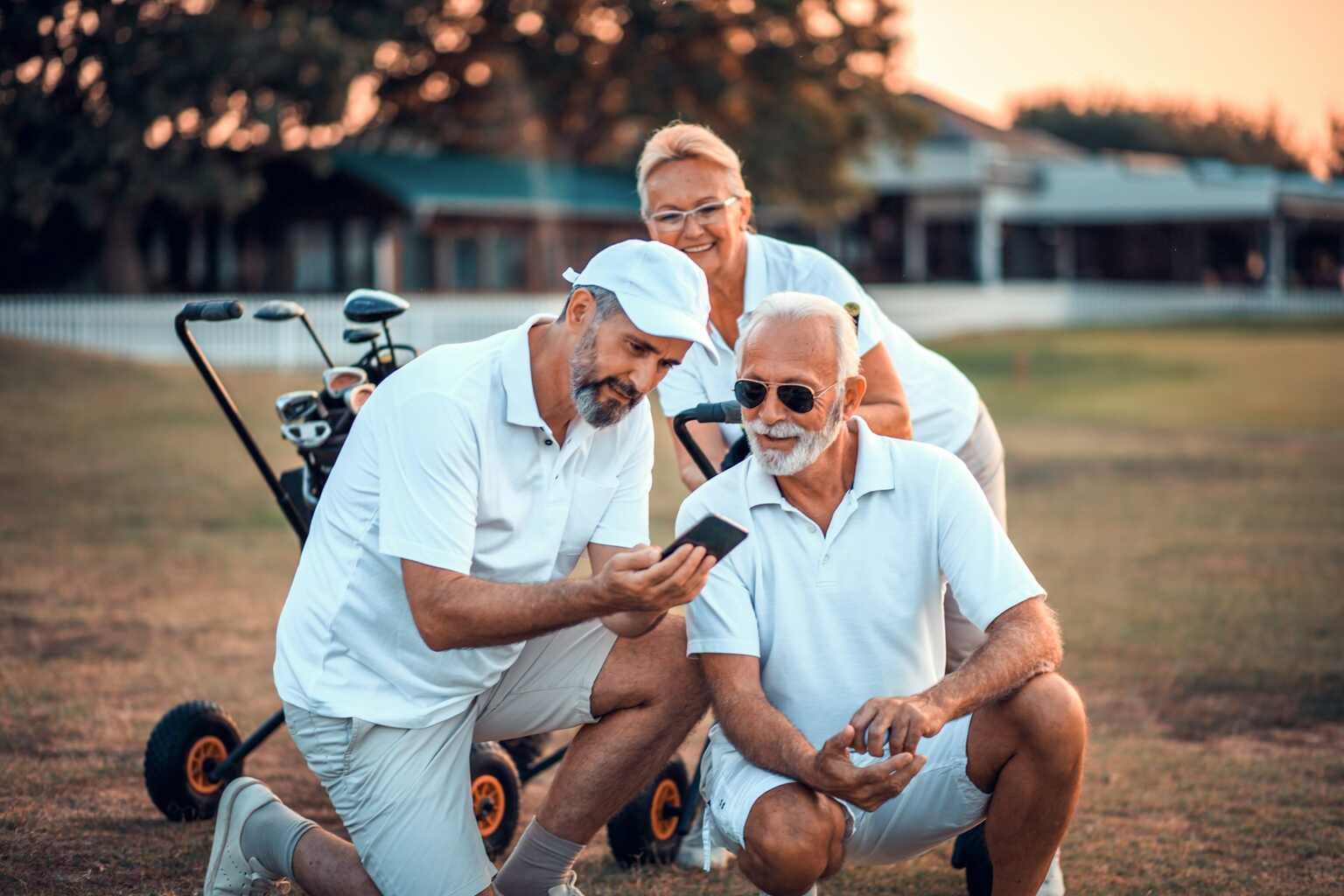
Daily Structure, Hobbies and Freedom
Unlike working life, retirement removes fixed schedules, deadlines, and routines set by others. Days become self-directed, allowing you to choose when to wake up, what to do, and how to structure your time – whether that’s slow mornings, active days, or a mix of both.
Retirement gives you space to explore hobbies that were previously squeezed around work. This might include gardening, painting, golf, reading, cooking, or learning new skills. Activities are no longer “fitted in” but can become a central part of your identity and enjoyment.
Financial Adjustment
In retirement money becomes a Spending Tool, instead of an Earned Flow. Income typically becomes fixed or drawn from savings rather than earned through work.
This shifts thinking from “earning more” to “managing spending” and making choices about how to prioritize experiences.

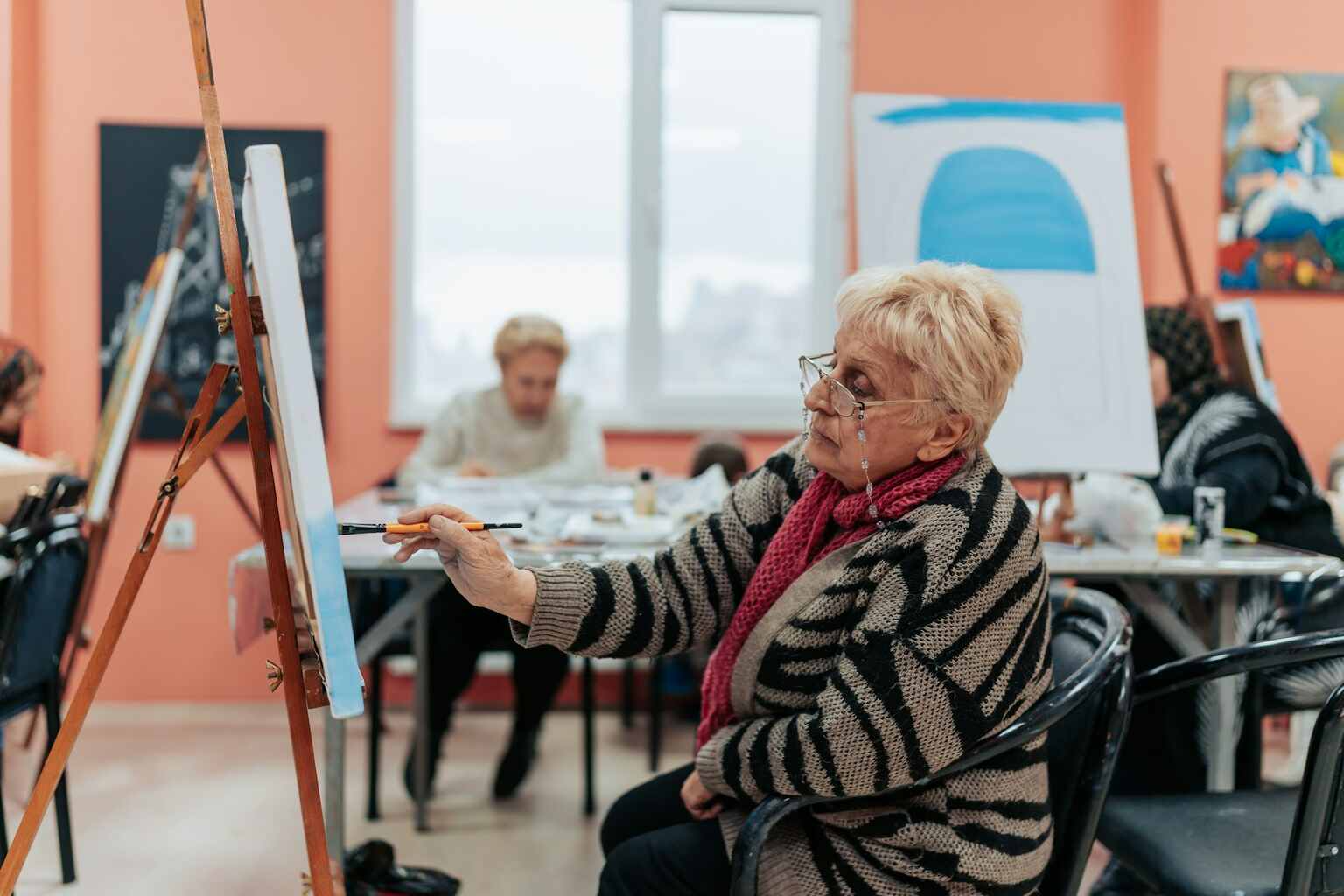
Social Life and Community
Instead of workplace interactions, social connection in retirement is more intentional. People often build friendships through clubs, volunteering, classes, or community groups, rather than seeing the same colleagues every day.
Many retirees replace work with part-time work, mentoring, or passion projects that offer meaning without full-time pressure.
Travel and Exploration
With fewer time constraints, travel becomes more flexible and extended. Retirees often take slower trips, off-season travel, or long visits to places they couldn’t fit into working schedules.
As there is no requirement for “time off” or “holiday hours” you have the freedom to go when you want. This often works out well financially as you can get great travel deals in retirement.

One of the biggest adjustments in retirement is deciding how you’d like to spend your time. Whether you’re looking to rediscover old interests, learn something new, stay active, or meet new people, there are countless opportunities waiting for you. Explore the resources below for ideas and inspiration to help you make the most of this exciting new chapter.
Active Retirement Ireland – https://activeirl.ie/
Age Action – https://www.ageaction.ie/
Alone – https://alone.ie/
National Federation of Pensioners Association – https://nfpa.ie/
Age & Opportunity – https://ageandopportunity.ie/